Jamaican Food Ideas for a Caribbean-Themed Meal
@jaredjqji035
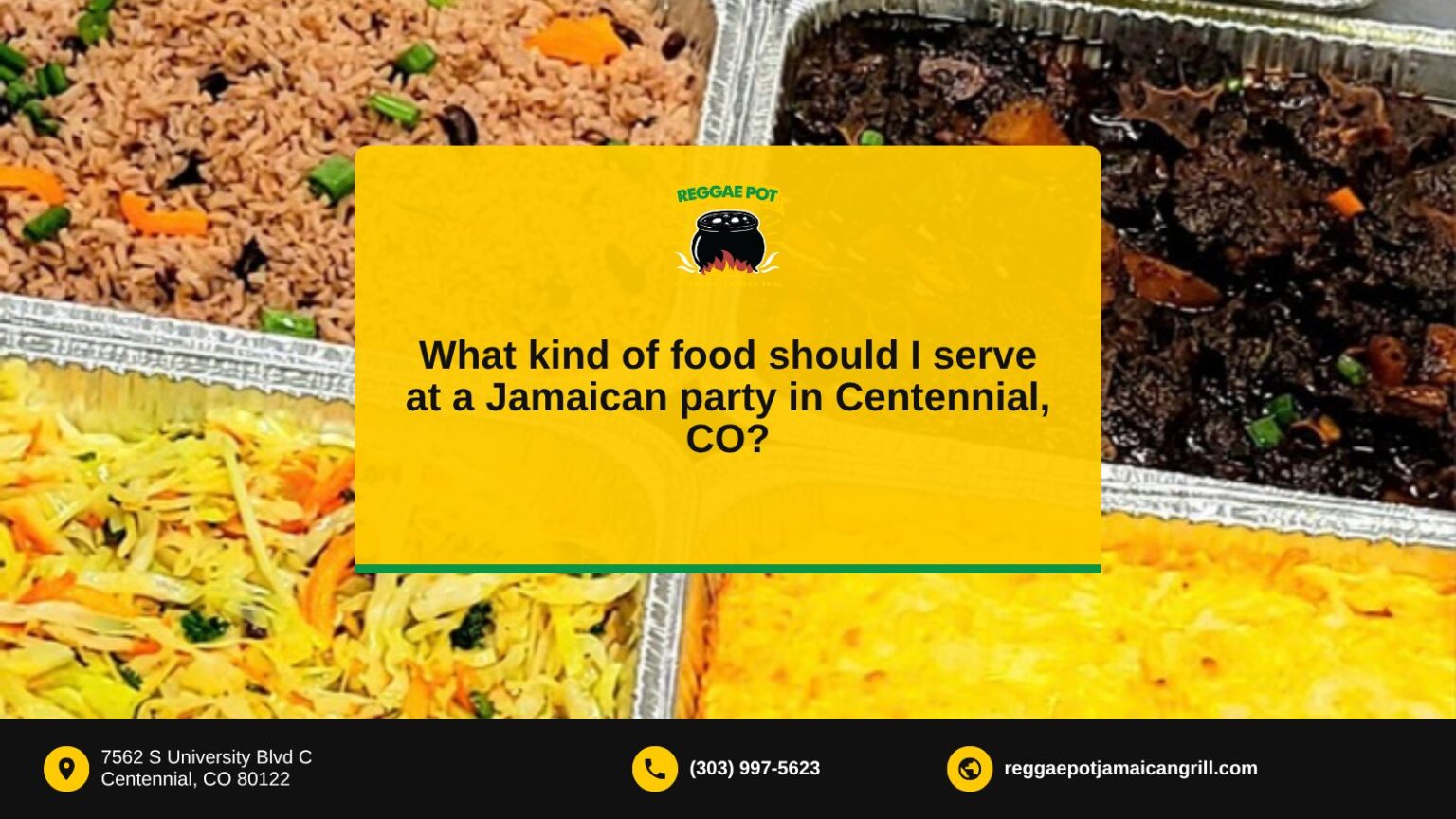
A Caribbean-themed meal can go in several directions, but if you want food with backbone, range, and real character, Jamaican cooking gives you more than enough to build around. It is bold without being one-note, comforting without feeling heavy all the way through, and flexible enough for a casual backyard gathering or a polished dinner table. The flavors are vivid, but they are also balanced. Heat matters, yet so do sweetness, smoke, acidity, herbs, and texture.
The best Jamaican food for a themed meal is not just a collection of spicy dishes. A well-planned spread moves between fiery and cooling, crisp and soft, rich and fresh. That contrast is what makes the table feel complete. You might serve deeply seasoned jerk chicken beside a mellow rice dish, pair fried plantains with a tart slaw, or set a creamy dessert after a meal built on Scotch bonnet, allspice, and thyme. The result feels generous rather than overwhelming.
One mistake people make when planning this kind of meal is trying to prepare every famous Jamaican dish at once. That usually leads to too much starch, too much protein, and not enough pacing. A better approach is to think like a host. Start with what can be cooked ahead, what travels well if guests are bringing dishes, and what flavors need a cooling counterpart. Once you do that, the meal begins to shape itself naturally.
What makes Jamaican food so memorable
Jamaican cuisine reflects many influences, including African, British, Indian, Chinese, and indigenous Caribbean foodways, but it does not read like a patchwork. It feels coherent because certain flavor signatures keep appearing. Allspice, scallion, thyme, ginger, garlic, Scotch bonnet pepper, coconut, and pimento wood smoke all show up in different forms. There is also a practical side to the cooking. Many dishes are designed to feed people well, stretch ingredients, and turn simple staples into something deeply satisfying.
A good Jamaican meal often starts with seasoning. Not just salt and pepper, but layered seasoning, blended green herbs, aromatics, and spice pastes that sit on meat or fish long enough to matter. Then there is the way starches support the plate. Rice and peas, festival, bammy, fried dumplings, boiled green bananas, and sweet plantains are not afterthoughts. They are there to round off the sharper edges of heavily seasoned mains.
That is why Jamaican food works so well for a themed meal. You are not relying on decoration to create atmosphere. The food carries its own sense of place.
Build the meal around one anchor dish
If you want the menu to feel focused, choose one centerpiece and let everything else support it. For most hosts, that centerpiece will be jerk chicken, curry goat, oxtail, escovitch fish, or a vegetarian curry.
Jerk chicken is usually the easiest place to start, and for good reason. It has the aroma people expect, it scales well for groups, and it can be grilled, roasted, or smoked depending on your setup. The real trick is restraint with the heat. Scotch bonnet can turn aggressive fast, especially if guests are not used to it. I usually season generously with allspice, thyme, scallion, ginger, garlic, and brown sugar, then moderate the pepper level in the marinade and offer extra hot sauce or pepper sauce at the table. That keeps the dish welcoming while preserving its Jamaican identity.
Curry goat is a stronger choice for a sit-down meal than for a buffet, mostly because it asks for patience and rewards slow cooking. Done well, the meat should be tender but not shredded into strings, and the gravy should be rich, spiced, and worth spooning over rice. It brings a different tone to the table than jerk. Less smoke, more depth. If you are feeding twelve people and want something that feels celebratory, it is hard to beat.
Oxtail has a similar effect, though it is richer and often more expensive than people expect. If you serve oxtail, keep the rest of the plate lighter. A crisp cabbage side or a bright slaw matters here. Otherwise the meal can tip into heaviness too early.
Escovitch fish is one of the most satisfying options if you want something with acidity and texture. The fish is fried, then topped with a sharp mix of pickled vegetables, usually carrots, onions, and peppers. It cuts through richer sides beautifully. For a smaller dinner, it is a standout. For a large casual party, it can be harder to execute unless you are comfortable frying multiple fish close to serving time.
A vegetarian curry, especially one built around chickpeas, pumpkin, potatoes, or callaloo, can be more than a substitute. It can hold the center of the table on its own if seasoned properly. Too many meatless Caribbean meals end up timid. Jamaican cooking does not need to be timid to be plant-based.
The sides that make the plate feel right
Once the main dish is settled, the rest of the meal should create balance. Jamaican sides do a lot of work here, and they are often what guests remember after the first bite of jerk or curry.
Rice and peas is the standard jamaican food for a reason. The name confuses people unfamiliar with Caribbean cooking because the “peas” are often kidney beans or gungo peas rather than green peas. Cooked with coconut milk, thyme, scallion, and sometimes a Scotch bonnet left whole in the pot, it is fragrant and savory without competing with the main. For most Caribbean-themed meals, this is the safest and most useful starch to include. It absorbs sauce, it sits well on the plate, and it can be made ahead with very little loss in quality.
Fried plantains bring sweetness and softness. The key is ripeness. Yellow plantains with black spotting will caramelize and soften, while greener ones behave more like a starch. For a themed meal, ripe plantains are almost always the better choice because they act as a sweet counterweight to spicy or salty food. If they are sliced too thin, they can become chewy. A thicker diagonal cut gives a better texture.
Festival is worth considering if you want something that feels a little festive in the literal sense. These lightly sweet fried dough sticks sit somewhere between bread and fritter. They are especially good with jerk meats because the sweetness rounds off the spice. If you have never made them before, practice once. The dough is simple, but the frying time matters more than people expect.
Bammy, a cassava flatbread with roots in indigenous Jamaican cooking, is excellent with fish. It has a distinct texture, slightly chewy when prepared well, and benefits from soaking and frying or steaming depending on style. It is less familiar to many guests than rice or plantains, which can make it an interesting talking point if your crowd enjoys trying dishes beyond the usual shortlist.
Then there is cabbage. Jamaican steamed cabbage may not sound exciting on paper, but on a full plate it earns its place. Cooked with carrots, onion, thyme, and black pepper, it brings freshness and a little crunch without pulling focus. When I have seen Caribbean-themed menus go wrong, it is often because every element leans soft, saucy, or fried. Cabbage fixes that.
Starters that set the tone without filling everyone up
A strong opening should wake up the palate, not crowd the meal before it begins. Jamaican patties are the obvious choice, and they are obvious for good reason. Their flaky yellow pastry and spiced filling make them instantly recognizable, and they can be prepared in advance. Beef is the standard, but chicken, saltfish, and vegetable fillings all work. The practical concern is size. Full bakery-style patties can be too much if guests are also eating a big main. Smaller cocktail-size versions are often smarter for a party.
Soup can also work, especially if you are serving the meal in the evening or during cooler weather. Jamaican pumpkin soup has body and color, and red peas soup has remarkable depth if you want something more substantial. But soup changes the pacing of the event. It asks people to sit and settle. That can be elegant, though it is less useful for a mingling crowd.
Saltfish fritters are another strong option. Crisp outside, savory inside, and easy to pass around, they pair well with drinks and give guests an early taste of the seasoning profile they will encounter later. The only caution is salt level. Salt cod varies a lot, and if it is not soaked properly, the fritters can come out harsher than intended.
A few menu combinations that work especially well
If you are trying to picture the full meal, these combinations tend to land well with guests and are manageable for a home cook:
- Jerk chicken, rice and peas, fried plantains, steamed cabbage, and rum cake for dessert.
- Curry goat, coconut rice, cucumber salad, festival, and mango-based dessert.
- Escovitch fish, bammy, callaloo, roasted sweet potatoes, and coconut drops.
- Vegetarian chickpea and pumpkin curry, rice and peas, fried plantains, and fresh fruit with lime.
- Oxtail, rice and peas, cabbage slaw, and bread pudding with a Caribbean twist.
Each of those menus has a center, a starch, something fresh or crisp, and a dessert that does not feel disconnected from the rest of the meal. That is the general principle to keep in mind, even if you swap dishes around.
Drinks deserve as much attention as the food
People often put real effort into the menu and then default to generic drinks. That is a missed opportunity, because Caribbean meals come alive when the drinks reflect the same sense of place.
Rum punch is the familiar crowd-pleaser, but a good version should taste like fruit and rum, not melted candy. Fresh citrus helps. So does restraint with sugar. If the food already includes sweet plantains, festival, and dessert, the drink does not need to be syrupy. A drier punch or a ginger-forward cocktail can be more refreshing.
Sorrel is one of the best options if you want something with depth and seasonal warmth. Made with hibiscus, ginger, and spices, it works both with and without alcohol. Its tartness cuts through rich food beautifully. I have served it at holiday dinners and summer cookouts, and it fits both, which says a lot about its flexibility.
Ginger beer, especially the kind with real bite, is another natural match. Jamaican food likes assertive flavors. A timid soft drink disappears next to jerk seasoning or pepper sauce, but ginger beer holds its ground.
Fresh juices also fit the table well. Pineapple, mango, guava, and lime all make sense. Just watch sweetness. If every drink is sweet and every side leans sweet too, the meal loses definition.
Dessert should cool the room down a little
After a meal rich with spice, smoke, and savory depth, dessert works best when it either leans creamy or offers warm spice in a gentler register. Jamaican rum cake is the obvious classic, dense and fragrant and usually welcomed by anyone who likes a grown-up finish to dinner. It also has the practical advantage of being make-ahead friendly.
Sweet potato pudding is more understated and often more interesting than people expect. It is dense, warmly spiced, and less sugary than many standard party desserts. If you have guests who appreciate traditional sweets over flashy ones, it tends to go over very well.
Coconut Jamaican food recipes for dinner drops are useful if the meal is served buffet-style and people will be grazing rather than sitting for a plated dessert. They are easy to pick up, and their chewy texture offers something different from cake. Gizzada, with its spiced coconut filling in a pastry shell, can fill a similar role.
Fresh fruit can also be enough, especially if the main meal is generous. Pineapple, mango, watermelon, and a squeeze of lime can be all you need at a daytime gathering. This is especially true if you are already serving a sweet drink.
Heat management matters more than people think
The biggest hosting mistake with Jamaican food is not underseasoning. It is misunderstanding heat. Guests often say they want authentic spice, but at the table what they usually want is authentic flavor. Those are not exactly the same thing.
Scotch bonnet pepper has fruitiness as well as fire, and that fruitiness is part of what makes Jamaican cooking so compelling. But there is no prize for making the meal punishing. Unless everyone attending is already comfortable with serious heat, it is smarter to build warmth into the food and let guests add extra fire themselves.
There is also the issue of cumulative spice. A spicy starter, jerk main, peppered side dish, hot sauce, and ginger-heavy drink can exhaust the palate by the halfway point. One hot element and one or two warmly spiced elements often make a better meal than turning every dish into a challenge.
A few small adjustments help a lot:
- Use less Scotch bonnet in marinades, then offer pepper sauce on the side.
- Keep at least one cooling element on the table, such as slaw, cucumber, or fruit.
- Avoid making both the main dish and the starter aggressively spicy.
- Taste sweet sides beside the mains before serving, so the balance feels deliberate.
- Label hot dishes clearly if guests are serving themselves.
These are small hosting choices, but they make the difference between a memorable meal and one people spend recovering from.
If you are cooking for a crowd, choose dishes that hold well
Some Jamaican dishes improve as they sit. Others really do not. That matters if you are feeding ten to twenty people and do not want to be trapped at the stove while everyone else eats.
Curry goat, oxtail, rice and peas, and many soups are excellent for advance preparation. The flavors settle in, the reheating is straightforward, and the host gets room to breathe. Jerk chicken can also be prepped ahead, marinated overnight, and cooked close to serving.
Fried foods are trickier. Patties can be baked ahead and rewarmed, but fritters and fried fish are at their best fresh. If your event is relaxed and social, that may be fine. If the meal needs to hit the table all at once, lean toward braises, grilled meats, and sturdy sides.
I learned this the hard way years ago helping with a party where the menu looked great on paper: escovitch fish, plantains, patties, fritters, and jerk wings for twenty guests. Nearly everything wanted hot oil or last-minute attention. By the time the platters were full, the kitchen looked like a storm had passed through it. The food was good, but the host never got to enjoy any of it. Since then, I have kept one rule for Caribbean-themed entertaining: no more than two items that truly need minute-by-minute handling.
Presentation can stay simple
A Jamaican table does not need props to feel inviting. The food itself brings color, especially if you lean into natural contrasts. Golden plantains, dark jerk glaze, bright pickled vegetables, green herbs, and white rice all do the work for you.
Serve food on platters when possible. Jerk meats look better piled loosely than arranged too precisely. A bowl of rice and peas, a dish of cabbage, a bright tray of escovitch vegetables, and a plate of sliced fruit can make the table look abundant without much decoration. If you want one finishing touch, scatter fresh thyme sprigs or sliced scallions where they make sense, not everywhere.
For a more formal dinner, portion control matters. Jamaican food is generous by nature, but a tightly packed plate can blur the distinctiveness of each component. Leave a little space. Let the gravy stay where it belongs. A composed plate feels more thoughtful than a crowded one.
A final note on authenticity and adaptation
People can get nervous cooking food from a cuisine they respect, and that instinct comes from a good place. Jamaican food is not a costume, and it should not be flattened into vague “island flavors.” At the same time, a home-cooked Caribbean-themed meal does not require perfection or restaurant-level specialization. What it does require is care, seasoning, and an understanding of what each dish is supposed to do on the plate.
If you do not have access to every traditional ingredient, work honestly within your limitations. Better to make a well-seasoned jerk chicken in the oven than a rushed imitation over bad charcoal. Better to serve excellent rice and peas, ripe plantains, and a fresh slaw than overload the menu with half-successful experiments. Guests remember the confidence of the meal more than the size of it.
When the balance is right, Jamaican food creates exactly the kind of gathering people hope for from a Caribbean-themed meal. It feels warm, generous, colorful, and deeply flavorful. The table invites conversation. The aromas arrive before the first plate is filled. And if you have planned well, every dish has a purpose, from the sharpness of escovitch vegetables to the sweetness of fried plantain and the quiet steadiness of rice and peas. That is what makes the meal feel complete, not just themed, but genuinely satisfying.
Reggae Pot Jamaican Grill
7562 S University Blvd C, Centennial, CO 80122
(303) 997-5623
FAQ About jamaican food
What is the best Jamaican food to try in Centennial?
The best choice depends on your preferences. Reggae Pot Jamaican Grill offers jerk chicken, curry goat, oxtail, and escovitch snapper, along with sides such as rice and peas and fried plantains. Ask the restaurant about current availability and spice levels before ordering.
Is Jamaican food very spicy in Centennial?
Heat varies by dish and preparation. Jerk dishes can be hot, while some stews and sides are milder. Tell the restaurant your preferred heat level and ask which options suit you.
What is typically on a Jamaican menu?
Common choices include jerk chicken, curries, oxtail, fish, patties, rice and peas, and plantains. Reggae Pot also lists ackee and saltfish and vegetable dishes. Menus and availability can change, so confirm your choices when ordering.